
Nuclear Medicine
NEWS
SERVICES
MEDICAL SERVICES
© 2010 Baskent University Alanya Hospital
Powered by g.B
Hospital alanya, hospital antalya, dialysis alanya, hemodialysis, holiday dialysis, alanya, University Hospital in Turkey, Medical Treatment, Medikal Treatment, Operation in Turkey, Hospitals in Turkey, Surgery Turkey

HOME                               ABOUT US                         OUR UNITS                       CONTACT US
Nuclear Medicine

  • Scintiscanning
  • Myocardial Perfusion Spect Scintiscanning
  • Spect Cerebral Blood Flow
  • Pulmonary Perfusion Ventilation
  • Bone Densitometry
  • PET

Physicians use nuclear imaging to visualize the structure and function of an organ, tissue, bone or system of the body. Nuclear medicine imaging is usually performed on an outpatient basis, but is often performed on hospitalized patients as well.

You will be positioned on an examination table. If necessary, a nurse or technologist will insert an intravenous line into a vein in your hand or arm. When it is time for the imaging to begin, the gamma camera will take a series of images. The camera may rotate around you or it may stay in one position and you will be asked to change positions in between images. While the camera is taking pictures, you will need to remain still for brief periods of time.

The length of time for nuclear medicine procedures varies greatly, depending on the type of exam. Actual scanning time for nuclear imaging exams can take from 20 minutes to several hours and may be conducted over several days.

When the examination is completed, you may be asked to wait until the technologist checks the images in case additional images are needed.

Nuclear medicine imaging scans are performed to:

  • analyze kidney function
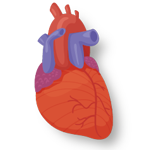
  • visualize heart blood flow and function 
  • scan lungs for respiratory and blood flow problems
  • identify blockage in the gallbladder
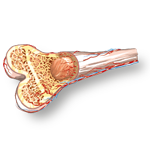
  • evaluate bones for fracture, infection, arthritis and tumors
  • determine the presence or spread of cancer
  • identify bleeding into the bowel
  • locate the presence of infection
  • measure thyroid function to detect an overactive or underactive thyroid
  • investigate abnormalities in the brain
Nuclear medicine therapies include:

  • Radioactive iodine therapy used to treat hyperthyroidism, Graves' disease,
              a goiter, thyroid nodules, and thyroid cancer