



Kidney Problems
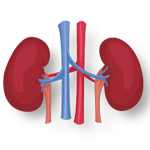
Your kidneys filter waste and excess fluid that your body does not need. Their function is essential for good health. Many kidney conditions may be painful, even life-threatening. Several of the problems that affect the kidneys and their correspnding symptoms are covered in detail below. Many treatment options and methods of prevention are available. If you find that you experience many symptoms of kidney problems, you should make an appointment to see a urologist.
Kidney infections
The doctor can determine if you have a kidney infection by examining your urine for bacteria and pus cells. A kidney infection is usually treated by plenty of fluids and antibiotics. If the infection is severe, you may need to be hospitalized to receive intravenous antibiotics and fluids.
Kidney stones
Sometimes drinking lots of water and taking pain medication will help you pass the stone. The success of this treatment depends mainly on stone size and location. Smaller stones have an excellent chance of passing themselves. Other times, kidney stones can be broken up with an ultrasonic shock wave technique called a lithotripsy. This grinds the stones into a powder to be passed more easily. This technique does not require an incision and can usually be carried out without anesthesia.
Sometimes the lithotripsy is not an option for patients with large or complex kidney stones. In these cases, the doctor would apply a laser or more powerful ultrasonic form of energy directly to the kidney stone. This is also a procedure that usually requires no incision.
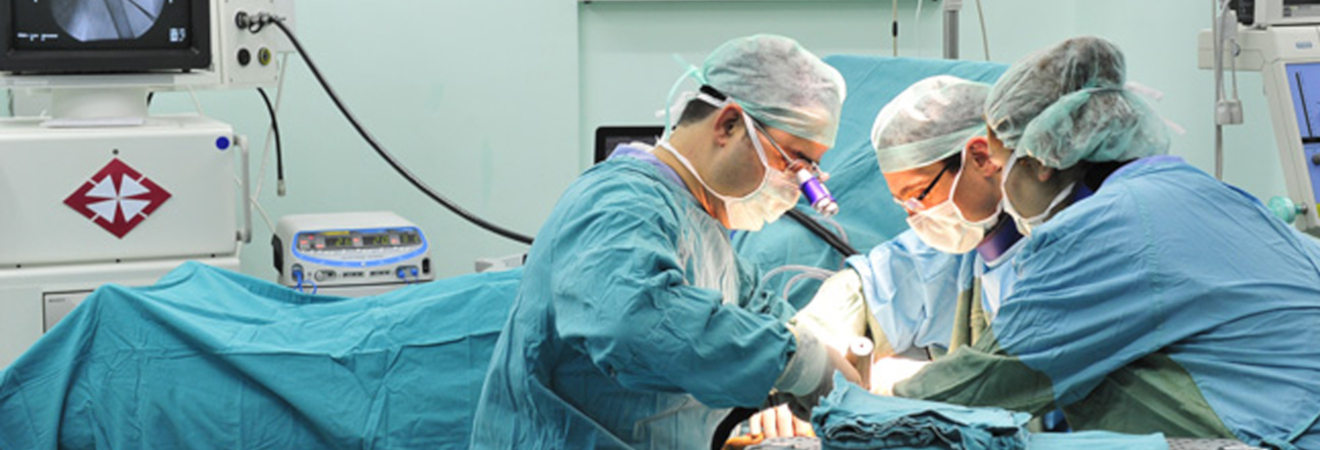
In a few cases, surgical removal of the stone is needed.
Kidney failure
To treat reversible kidney failure, you must treat the disease that is causing it. Examples of this are controlling diabetes, better control of blood pressure, and intravenous fluids and transfusions for kidney failure associated with severe blood loss. If the failure is a result of an enlarged prostate or a kidney stone, then surgery may be required to remove the obstruction.
In the case of end-stage kidney failure, permanent damage cannot be reversed. Dialysis or a kidney transplant is required. Dialysis is an artificial means of removing wastes in the blood when the kidneys can not do it anymore.
Kidney transplants are another option. The living donors are usually relatives of the patient who volunteer to donate one of their own kidneys. The chance of the body rejecting a kidney from a relative is less than with an unrelated donor.
Kidney Cancer
For localized kidney cancer, it was previously believed that the only curative therapy was radical removal of the kidney. While complete removal of the kidney has long been the standard of care, increasing attention is being paid to nephron-sparing procedures such as partial nephrectomy, removal of the tumor only, cryotherapy (freezing) of the tumor, or radio frequency ablation of the tumor are now viable alternatives in selected cases. For small tumors which are peripherally located, this may provide a result as good as radical nephrectomy. The tendency for renal cell carcinoma to be multifocal and metachronous demands careful long-term scrutiny in those patients treated with nephron-sparing techniques.
Traditional multimodality chemotherapy has been disappointing, with only a 20-30% response rate. Immunotherapy offers an alternative for those patients who have advanced disease. Of the available immune agents, Interleukin-II appears to have the greatest utility against metastatic renal cell carcinoma. Unfortunately, the application of Interleukin-II has significant adverse side effects, and the relatively high response rates must be balanced against the morbidity associated with the treatment, as well as the relatively short duration of response. Initial evaluation of chemoprevention of renal cell carcinoma, as well as early detection by evaluating urine and serum markers for this disease, are in progress.